Professional Car Diagnostic Tools: Ultimate Features & Benefits Guide
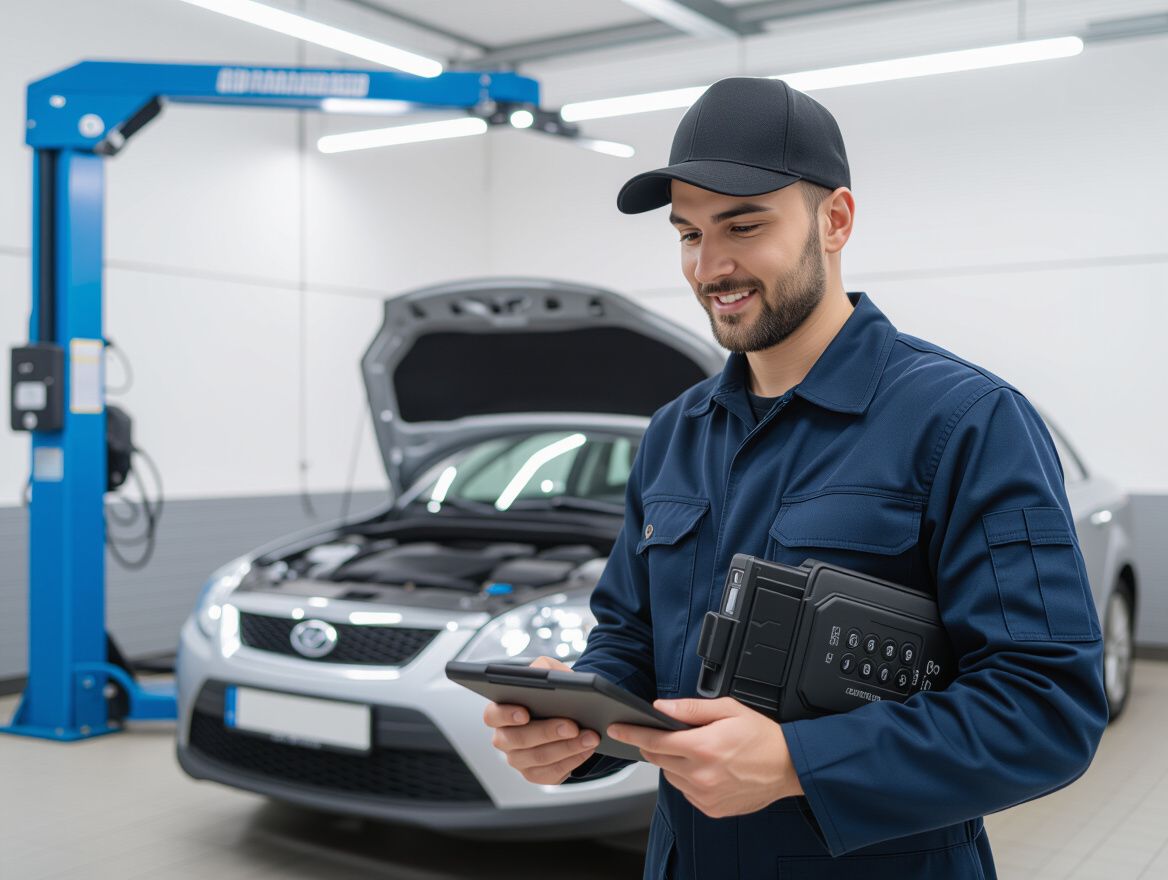
Professional car diagnostic scanners offer advanced features for mechanics and auto technicians. This article highlights the must-have capabilities, such as vehicle coverage, user interfaces, and data management functions. Understand why these tools are essential for effectively diagnosing complex automotive issues quickly and accurately.
Professional Car Diagnostic Scanners: Features, Benefits, and Why You Need One
In the ever-evolving landscape of automotive technology, understanding your vehicle's inner workings has become increasingly complex. Gone are the days when a simple visual inspection and a wrench could solve most automotive woes. Today's cars are sophisticated networks of electronic control units (ECUs), sensors, and actuators, communicating at lightning speeds to manage everything from engine performance to safety systems. For both the dedicated DIY enthusiast and the seasoned professional mechanic, having the right tools is paramount. This is where professional car diagnostic tool capabilities come into play. Far beyond basic code readers, these advanced devices offer a deep dive into your vehicle's health, enabling proactive maintenance, precise troubleshooting, and informed decision-making, ultimately transforming how we approach vehicle care.
The Limitations of Basic OBD-II Readers
Many car owners are familiar with OBD-II (On-Board Diagnostics II) ports, a standardized system mandated in vehicles since 1996. Basic OBD-II readers, often inexpensive and readily available, can certainly identify some issues. However, their capabilities are generally limited. They primarily focus on emission-related Diagnostic Trouble Codes (DTCs), often presenting a generic "check engine light" cause without delving into the specifics.
These budget-friendly scanners typically:
- Cannot access manufacturer-specific codes: Modern vehicles have thousands of proprietary codes that basic readers simply cannot interpret. These codes often provide crucial details about system malfunctions beyond emissions.
- Offer limited live data interpretation: While some may show raw sensor data, the ability to analyze, graph, and understand the context of this information is minimal. This makes it difficult to spot subtle performance anomalies or potential failures.
- Lack advanced functions like component testing: They cannot command vehicle components to actuate, a critical step in confirming their functionality or diagnosing electrical problems.
- Are primarily focused on emission-related faults: This means they often miss critical issues with safety systems, comfort features, or powertrain performance that aren't directly tied to emissions regulations.
In essence, a basic OBD-II reader tells you that something is wrong, but rarely provides the full picture of why or how to definitively fix it.
What Defines a Professional Diagnostic Tool?
A professional car diagnostic tool, in contrast, represents a significant leap in capability and insight. These sophisticated devices are designed to communicate directly with the various ECUs of a vehicle, offering a comprehensive view of its operational status. Key defining characteristics include:
- Direct ECU communication for each vehicle system: Professional tools can interface with the Engine Control Module (ECM), Transmission Control Module (TCM), Anti-lock Braking System (ABS) module, Airbag module, Body Control Module (BCM), and many more, providing access to system-specific data and codes.
- Access to vast libraries of P, B, C, and U codes: They can read and interpret generic (P), manufacturer-specific (P, B, C), and network communication (U) codes across all vehicle modules, offering a far more detailed diagnostic picture.
- Comprehensive live data streams with graphing capabilities: Professional scanners provide real-time data from hundreds of sensors and actuators, often with the ability to graph these parameters over time. This allows for the visualization of trends, identification of erratic readings, and analysis of system interactions.
- Bi-directional control for component actuation: This is a cornerstone of professional diagnostics. It allows the technician to send commands to vehicle components, such as turning on a fuel pump, cycling an ABS solenoid, or activating a cooling fan. This is indispensable for testing component functionality and verifying repairs.
- Special functions like resets, adaptations, and module coding: These tools can perform tasks that go beyond simple code reading, including resetting service lights, calibrating sensors (like steering angle or throttle body), performing electronic parking brake (EPB) service, and registering new batteries.
- Wider vehicle coverage and brand-specific support: Professional-grade equipment typically boasts extensive coverage across a vast array of makes, models, and years, often including manufacturer-specific protocols that unlock deeper diagnostic access.
The "Hidden Insight": Proactive Maintenance and Deeper Understanding
The true power of a professional car diagnostic tool lies in its ability to facilitate a paradigm shift from reactive repairs to proactive and predictive maintenance. Instead of waiting for a warning light to illuminate and then attempting to diagnose a symptom, these tools provide a detailed, real-time understanding of vehicle system performance.
This proactive approach means:
- Moving beyond reactive repairs to predictive maintenance: By constantly monitoring system health and sensor data, potential issues can be identified long before they manifest as critical failures. For instance, a gradual decline in fuel injector performance or an intermittent ignition misfire can be detected through live data analysis, allowing for correction before a breakdown occurs.
- Gaining detailed insight into vehicle system performance: Understanding how individual components and systems interact in real-time allows for a much deeper appreciation of the vehicle's overall health. This nuanced view is crucial for complex diagnostics.
- Identifying potential issues before they become critical failures: Early detection saves time, money, and prevents the inconvenience of unexpected breakdowns. A slight anomaly in the ABS sensor readings might indicate an impending failure that, if addressed promptly, can prevent a more significant and costly repair down the line.
- Empowering informed decision-making regarding repairs: With precise diagnostic data, both mechanics and informed DIYers can make confident decisions about necessary repairs, avoiding guesswork and unnecessary parts replacement. This transparency builds trust and ensures that resources are allocated effectively.
Essential Features of Professional Car Diagnostic Scanners
The utility of a car diagnostic scanner at the professional level is defined by a suite of advanced features that go far beyond basic code retrieval. These functionalities empower technicians to thoroughly diagnose, test, and even configure vehicle systems.
Comprehensive Code Reading and Clearing
At its core, a professional scanner excels at reading and clearing Diagnostic Trouble Codes (DTCs) across all vehicle modules. This includes not only generic OBD-II codes but also manufacturer-specific codes that provide granular detail about the fault. Understanding the nuances between generic, manufacturer-specific, and pending codes is crucial for accurately identifying the root cause of any illuminated fault indicator. A professional tool presents this information clearly, often with detailed descriptions of the code's meaning and potential causes.
Live Data Stream and Graphing
The ability to view and analyze live data streams is fundamental for understanding vehicle operation in real-time. Professional diagnostic tools offer access to hundreds of parameters, including engine RPM, coolant temperature, oxygen sensor readings, throttle position, fuel trim, and much more. The crucial addition is the graphing functionality, which allows users to visualize these data points over time. This is invaluable for identifying intermittent issues, analyzing performance trends, and understanding how different systems interact. For example, plotting fuel trims alongside oxygen sensor readings can quickly reveal air-fuel mixture problems.
Bi-Directional Control (Active Test)
Perhaps the most significant differentiator between basic scanners and professional automotive diagnostic tools is bi-directional control, also known as active testing. This feature allows the user to send commands from the scanner to specific vehicle components. For instance, you can command the fuel pump to turn on, cycle ABS solenoids to test their operation, activate cooling fans, or operate power windows and locks. This capability is essential for verifying that a component is receiving signals and functioning correctly, isolating electrical issues, and confirming that a repair has resolved the problem.
Component Testing and Actuation
Building upon bi-directional control, some professional tools offer more in-depth component testing routines. These might involve specific diagnostic tests designed to thoroughly evaluate sensors, solenoids, relays, and other electronic parts. By performing these guided tests, technicians can precisely isolate faulty components, minimizing the time spent on guesswork and ensuring accurate repairs.
Special Functions and Service Resets
Modern vehicles require specialized procedures for routine maintenance and repairs. Professional automotive diagnostic tools are equipped with a wide array of special functions to handle these tasks. This includes:
- Resetting service indicators: Such as oil change reminders, brake wear indicators, and steering angle sensor calibrations.
- Performing electronic parking brake (EPB) service: Essential for safely retracting the EPB caliper pistons to replace brake pads.
- Throttle body adaptations: Resynchronizing the electronic throttle body after cleaning or replacement.
- Steering angle sensor calibration: Crucial for stability control systems after alignment or component replacement.
- Battery management system (BMS) registration and reset: Necessary for modern vehicles to inform the ECU of a new battery, ensuring proper charging and system operation.
ECU Programming and Coding
For more advanced repairs and customization, professional diagnostic tools can facilitate ECU programming and coding. This includes:
- Key fob programming and immobilizer matching: Adding new keys or replacing immobilizer modules.
- Coding new modules or replacing existing ones: Ensuring that new or replacement ECUs are properly configured for the vehicle.
- Software updates and parameter modifications for ECUs: Sometimes necessary to address factory issues or enhance performance.
These functions are typically reserved for higher-end professional tools and often require specific subscriptions or access from the vehicle manufacturer.
Advanced Diagnostics and Data Analysis
Beyond the immediate interpretation of codes and live data, professional scanners offer advanced diagnostic capabilities:
- Freeze frame data: Captures a snapshot of critical vehicle operating parameters at the moment a DTC is set, providing valuable context for troubleshooting.
- Mode 6 data: Provides information on the results of onboard system self-tests, offering insight into the performance of various monitors and components.
- Extended I/M readiness checks: Shows the status of emission-related monitors, essential for emissions testing and diagnosis.
- Recording and playback of diagnostic sessions: Allows technicians to capture and review complex data streams or intermittent events for later analysis.
Extensive Vehicle Coverage and Compatibility
A hallmark of a professional-grade diagnostic tool is its extensive vehicle coverage. These devices are designed to support a wide range of makes, models, and years, often going beyond the standard OBD-II protocols to access manufacturer-specific communication methods. Regular software updates are crucial for keeping pace with new vehicle releases and evolving system architectures, ensuring that the tool remains relevant and effective.
The Transformative Benefits of Professional Diagnostic Tools
The investment in a professional car diagnostic tool yields significant advantages, whether you're a dedicated DIYer working on your own fleet or a professional mechanic running a busy workshop. These tools democratize automotive knowledge and elevate the standard of vehicle care.
For the DIY Enthusiast
For the car enthusiast who enjoys working on their own vehicle, a professional diagnostic scanner is a game-changer:
- Empowerment and Control: Take charge of your vehicle's health. Instead of relying solely on mechanics, you gain the ability to understand and address issues yourself.
- Cost Savings: Avoid unnecessary dealership visits for diagnostics. Many common issues can be diagnosed and sometimes even resolved with the insights provided by a professional tool, saving on labor costs. This allows for more investment in essential car care items, like those found in a well-stocked
first-aid kitor qualitywork lightingfor those late-night projects. - Deeper Understanding: Learn how your car truly operates. By exploring live data, sensor readings, and system functions, you develop a more profound understanding of automotive engineering.
- Preventative Maintenance: Identify potential problems early. Spotting subtle anomalies in system performance can prevent minor issues from escalating into costly, major repairs. This proactive approach also means you're better prepared for any journey, referencing guides at
https://cardetailingguru-20260325-0717.pages.dev/guidesfor additional automotive knowledge. - Accurate Troubleshooting: Pinpoint the exact problem. Eliminate the guesswork involved in diagnosing issues, ensuring that you replace the correct parts and perform effective repairs.
For Professional Mechanics and Workshops
In a professional setting, a professional car diagnostic tool is not just an accessory; it's an essential piece of equipment that directly impacts efficiency and profitability:
- Increased Efficiency: Faster diagnostics and reduced labor time. The ability to quickly access codes, live data, and perform active tests dramatically speeds up the diagnostic process.
- Improved Accuracy: Precise fault identification minimizes comebacks. Accurately diagnosing the root cause means repairs are done right the first time, leading to higher customer satisfaction and fewer repeat visits for the same issue.
- Enhanced Customer Trust: Transparent explanations and verified repairs. Technicians can show customers the live data or component test results, building trust and justifying repair recommendations.
- Broader Service Offering: Ability to perform advanced services like module programming, complex resets, and component adaptations, allowing workshops to offer a wider range of services and cater to more complex vehicle issues.
- Profitability Boost: More efficient work means more repairs completed in a day, directly translating to increased revenue. Offering advanced diagnostic and programming services also commands higher labor rates.
- Staying Competitive: In today's market, customers expect workshops to have the latest diagnostic capabilities. Using professional-grade car diagnostic scanners ensures a workshop remains competitive and up-to-date with automotive technology. Consider exploring options like
https://cardetailingguru-20260325-0717.pages.dev/category/car-diagnostic-scannerto find suitable professional tools.
Beyond Diagnosis: Maintenance and Verification
The utility of professional diagnostic tools extends beyond initial fault finding; they are invaluable for ongoing maintenance and verifying the effectiveness of repairs:
- Verifying Repair Effectiveness: After a repair, using the diagnostic tool to clear codes, run system checks, and monitor live data confirms that the issue has been resolved and all systems are functioning as expected.
- Performing Routine Maintenance: Many modern maintenance tasks, such as electronic parking brake service, steering angle sensor calibration, or battery registration, require specialized diagnostic functions that only professional tools can perform.
- Pre-Purchase Inspections: Before buying a used vehicle, a professional tool can uncover hidden issues by checking for stored or pending DTCs and analyzing system performance, saving a buyer from a potentially costly mistake.
- System Checks Before Long Trips: Ensure vehicle reliability for extended travel by performing comprehensive checks of critical systems. This preparation is vital for peace of mind, especially when dealing with potentially critical components. Tools that help maintain vehicle readiness, like a reliable
battery maintainerto ensure a strong start, or ensuring propertowing safetyequipment are in place, complement the diagnostic process for complete vehicle preparedness.
Choosing the Right Professional Car Diagnostic Tool
With a wide array of automotive diagnostic tools available, selecting the right one can seem daunting. A careful consideration of your specific needs and usage patterns is crucial.
Factors to Consider
- Vehicle Coverage: Do you primarily work on a specific make (e.g., German luxury, American trucks), or do you need broad coverage across numerous brands and models? This will dictate the breadth of protocols and software your tool needs to support.
- Features Needed: Are you looking for basic code reading and live data, or do you require advanced functions like ECU programming, bi-directional control, and component testing? For professional use, comprehensive features are generally a must.
- Budget: Professional diagnostic tools range significantly in price, from a few hundred dollars to several thousand. Determine a realistic budget that aligns with your expected usage and return on investment.
- User Interface and Ease of Use: A tool that is intuitive and easy to navigate will save time and reduce frustration, especially for less experienced users. Look for clear menus, responsive touchscreens, and well-organized data displays.
- Update Frequency and Support: Vehicle technology evolves rapidly. Ensure the tool you choose receives regular software updates to support new models and system changes. Good customer support and access to technical documentation are also vital.
- Portability vs. Benchtop: Do you need a handheld scanner that fits in your pocket or tool bag, or a larger, more powerful unit that integrates with a laptop or offers a dedicated touchscreen display?
- Brand Reputation and Reviews: Research different manufacturers and read reviews from other users. Established brands often offer more reliable hardware, comprehensive software, and better support.
Understanding Different Types of Professional Tools
- OBD-II Scanners (Advanced): These are sophisticated versions of basic scanners, offering more comprehensive code access, enhanced live data, and sometimes limited special functions. They are often a good entry point for serious DIYers.
- Manufacturer-Specific Scanners: These tools provide the deepest level of access and diagnostics for a particular automotive brand (e.g., BMW ISTA, Mercedes-Benz XENTRY). They are invaluable for specialists working exclusively on those makes.
- All-System Scanners: Designed for broad compatibility, these tools offer extensive coverage across a wide range of makes and models, accessing all vehicle systems and providing a comprehensive feature set. These are often the choice for independent workshops.
- Diagnostic Software with Interface Adapters: These solutions involve connecting a laptop or tablet to a vehicle via a specialized interface. They can be very powerful and cost-effective, especially if you already own a capable computer.
The Investment in Knowledge and Capability
A professional car diagnostic tool is more than just a purchase; it's an investment. For DIYers, it's an investment in understanding and maintaining their vehicle, leading to long-term savings and reduced reliance on external services. For professionals, it's an investment in efficiency, accuracy, and the ability to offer more services, directly impacting earning potential and business growth. The learning curve associated with mastering these tools is also a worthwhile endeavor, expanding one's automotive expertise.
Conclusion: Unlock Your Vehicle's Potential
The journey into understanding and maintaining modern vehicles is best navigated with the right equipment. Professional car diagnostic tools are no longer luxuries but necessities for anyone serious about automotive care, repair, or even just in-depth personal vehicle maintenance.
Recap of Key Features and Benefits
We’ve explored how these advanced devices offer comprehensive code reading, detailed live data analysis with graphing, crucial bi-directional control, specialized service functions, and even ECU programming and coding. The benefits are clear: faster, more accurate diagnostics, the ability to perform complex maintenance tasks, and a deeper, more informed understanding of your vehicle's intricate systems.
The Shift from Symptom Management to Root Cause Resolution
Ultimately, these tools empower a move away from simply managing symptoms to resolving the root cause of automotive issues. By providing granular data and diagnostic capabilities, they allow for precision repairs, proactive maintenance, and a greater assurance of vehicle reliability and safety.
Empowering Your Automotive Journey
Investing in a professional car diagnostic tool is an investment in empowerment. It grants you the knowledge and capability to make informed decisions about your vehicle, ensuring its longevity and optimal performance. Whether you're a hobbyist looking to gain control over your car’s health or a professional mechanic striving for peak efficiency and accuracy, these sophisticated tools are the key to unlocking your vehicle's full potential.